

OLA6100 ABS
services.fileUpload.online3dPrintingService
services.fileUpload.serviceDescriptionservices.fileUpload.startNewQuote
services.fileUpload.fileType
services.fileUpload.privacyNotice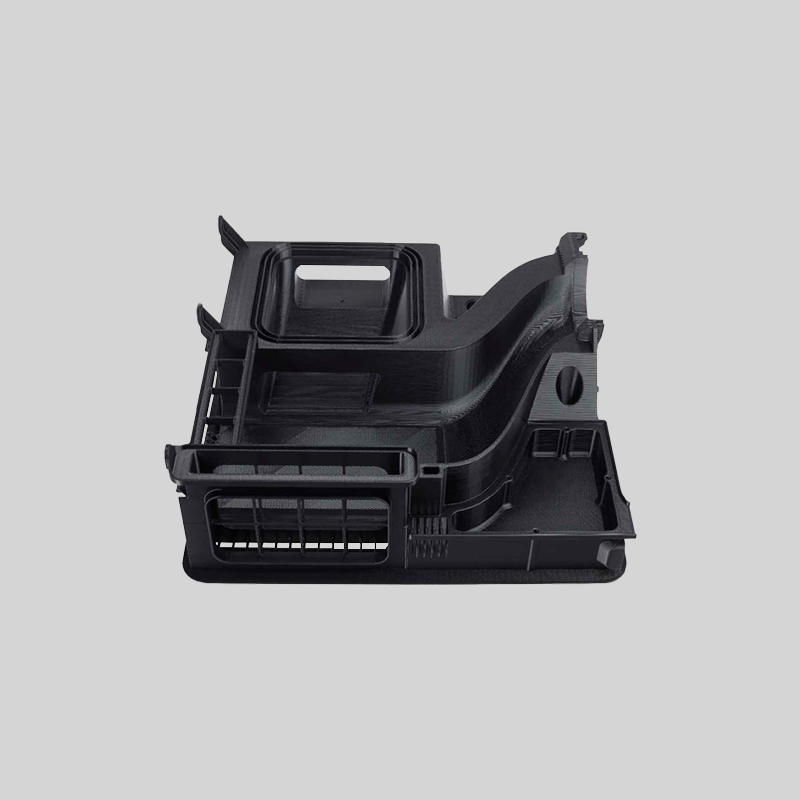
OLA6100 ABS
OLA 6100ABS is een star thermoplastisch engineeringmateriaal bekend om zijn betrouwbare mechanische sterkte en dimensionale stabiliteit. Ideaal voor functionele tests en prototyping, maakt dit materiaal het mogelijk om 3D-geprinte componenten te produceren die sterk lijken op eindproducten. Het wordt veel gebruikt voor algemene mechanische onderdelen en slijtvaste componenten en ondersteunt nabewerkings technieken zoals chroomplateren en schilderen.
ThermischeEigenschappen
Warmtevervormingstemperatuur:104℃
MechanischeEigenschappen
Treksterkte:32.5–34.1MPa Rek bij breuk:2.3%–3.1% Buigsterkte:59±1.3MPa Impactsterkte (geknipt, Izod):12.6±1.1KJ/m²
Max. Part Size:
300mm × 300mm × 300mm
Tolerance and Precision:
±300μm of ±0.3%
Voordelen
① Gebalanceerde prestaties (sterkte/thermische/eigenschappen)
② Hoge impactsterkte & chemische bestendigheid
③ Geschikt voor chroomplateren & schilderen
④ Ideaal voor functionele tests & realistische prototyping
Beperkingen
① Verwerkingsbeperkingen (niet-aansprakelijkheidsverklaring):
Breekbare structuren <Ø2mm may fail
Low-angle surfaces (<45°) may show defects (imported materials recommended)
Large flat surfaces (>150mm) kunnen vervormen (geïmporteerde materialen aanbevolen)
Ondersteunde oppervlakken kunnen ruw zijn (geïmporteerde materialen aanbevolen)
Complexe interne onderdelen kunnen steunpunten behouden (wateroplosbare materialen aanbevolen)
Opmerking: Dit zijn inherente FDM-procesbeperkingen - premium geïmporteerde materialen beschikbaar voor kritische toepassingen
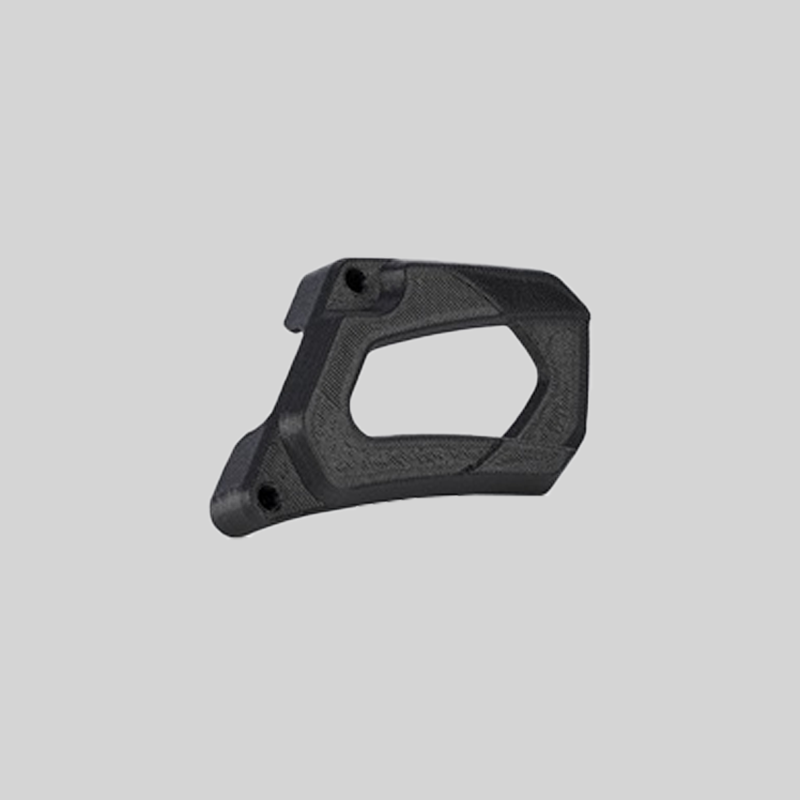
OLA 6000PLA is een milieuvriendelijk, biologisch afbreekbaar thermoplast afgeleid van hernieuwbare bronnen. Het biedt een breed scala aan kleuren en oppervlakteafwerkingen. Het materiaal vertoont uitstekende dimensionale stabiliteit en is eenvoudig te printen, wat het ideaal maakt voor complexe vormen en prototypes. Echter, het is brozer vergeleken met andere kunststoffen.
ThermischeEigenschappen
HeatDeflectionTemperature:53℃
MechanischeEigenschappen
TensileStrength:60MPa ElongationatBreak:18.3% FlexuralModulus:2266MPa ImpactStrength:6KJ/m²
Max. Part Size:
256mm × 256mm × 256mm
Tolerance and Precision:
±300μm of ±0,3%
Voordelen:
① Uitstekende printbaarheid met hoge dimensionale nauwkeurigheid
② Superieure dimensionale stabiliteit
③ Kosteneffectieve en ecovriendelijke oplossing
Nadelen:
① Lagere impactweerstand vergeleken met andere technische kunststoffen
② Beperkingen bij verwerking (niet-ansprakelijkheidsverklaring):
Breekbare structuren <Ø2mm may fail
Low-angle surfaces (<45°) may show defects (imported material recommended)
Large flat surfaces (>150mm) zijn vatbaar voor vervorming (geïmporteerd materiaal aanbevolen)
Ondersteunde oppervlakken kunnen ruwheid vertonen
Complexe interne kanalen kunnen ondersteuningselementen vasthouden (wateroplosbaar materiaal aanbevolen)
Let op: Deze beperkingen inherent aan standaard FDM-verwerking - premium geïmporteerde materialen beschikbaar voor kritische toepassingen
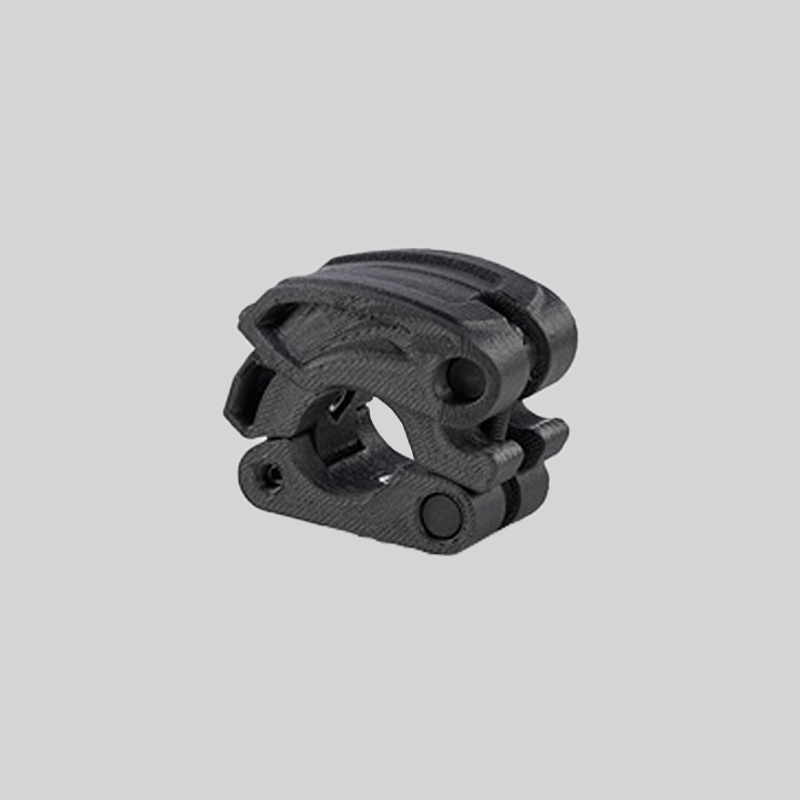
OLA Reinforced Nylon Carbon Fiber is a high-performance 3D printing filament featuring a dual-layer coating structure. The outer shell is made of pure nylon resin with high interlayer adhesion, while the core contains short-cut carbon fiber-reinforced high-temperature nylon. This results in a material with outstanding strength, heat resistance, and superior Z-axis performance compared to conventional carbon fiber nylon.
ThermalProperties
HeatDeflectionTemperature:187.5℃
MechanicalProperties
TensileModulus(X-Y):8789.10±458.32MPa TensileModulus(Z):4213.96±87.46MPa TensileStrength(X-Y):103.25±2.96MPa TensileStrength(Z):51.51±2.01MPa ElongationatBreak(X-Y):1.49±0.09% ElongationatBreak(Z):1.55±0.12% FlexuralModulus:8568.60±172.79MPa FlexuralStrength:170.09±4.88MPa NotchedImpactStrength:6.57±0.38KJ/m²
Max. Part Size:
300mm × 220mm × 220mm
Tolerance and Precision:
±300μm or ±0.3%
Advantages
① 25% carbon fiber reinforcement
② Excellent mechanical strength (particularly Z-axis performance)
③ Outstanding heat resistance and dimensional stability
Disadvantages
① FDM process limitations (non-liability notice):
Features <Ø2mm may break/incomplete
Angled surfaces <45° may show roughness (imported materials advised)
Flat surfaces >150mm may warp (imported materials advised)
Support-heavy parts may have rough bases
Complex internals may retain supports (water-soluble supports recommended)
Note: Design limitations inherent to FDM process - imported material solutions available

OLA 6200 ASA (Black) is a rigid thermoplastic engineering material with mechanical properties similar to ABS. It is highly resistant to UV radiation and weathering, maintaining its color and shape even in harsh or prolonged sun exposure. This makes it ideal for printing outdoor-use parts and components.
ThermalProperties
HeatDeflectionTemperature:105.3℃
MechanicalProperties
TensileStrength(X-Y):43–44.6MPa TensileStrength(Z-axis):27.4±1.8MPa ElongationatBreak:6.1%–7.3% FlexuralStrength:73.4±2.1MPa IzodImpactStrength(Notched):10.3±0.4KJ/m²
Max. Part Size:
250mm × 250mm × 250mm
Tolerance and Precision:
±300μm or ±0.3%
Advantages
① Excellent UV resistance
② Strong mechanical properties and toughness
③ Good processability and outdoor durability
Disadvantages
① Parts larger than 200mm may be prone to warping
② Current process limitations:
Thin features under Ø2mm may break or be incomplete
Surfaces with inclination angles <45° may appear rough (imported materials recommended)
Large flat surfaces >150mm may warp (imported materials recommended)
Support-heavy models may show base roughness
Complex internal structures may retain unresolvable support material (water-soluble support recommended)
Note: We do not accept liability for the above design risks
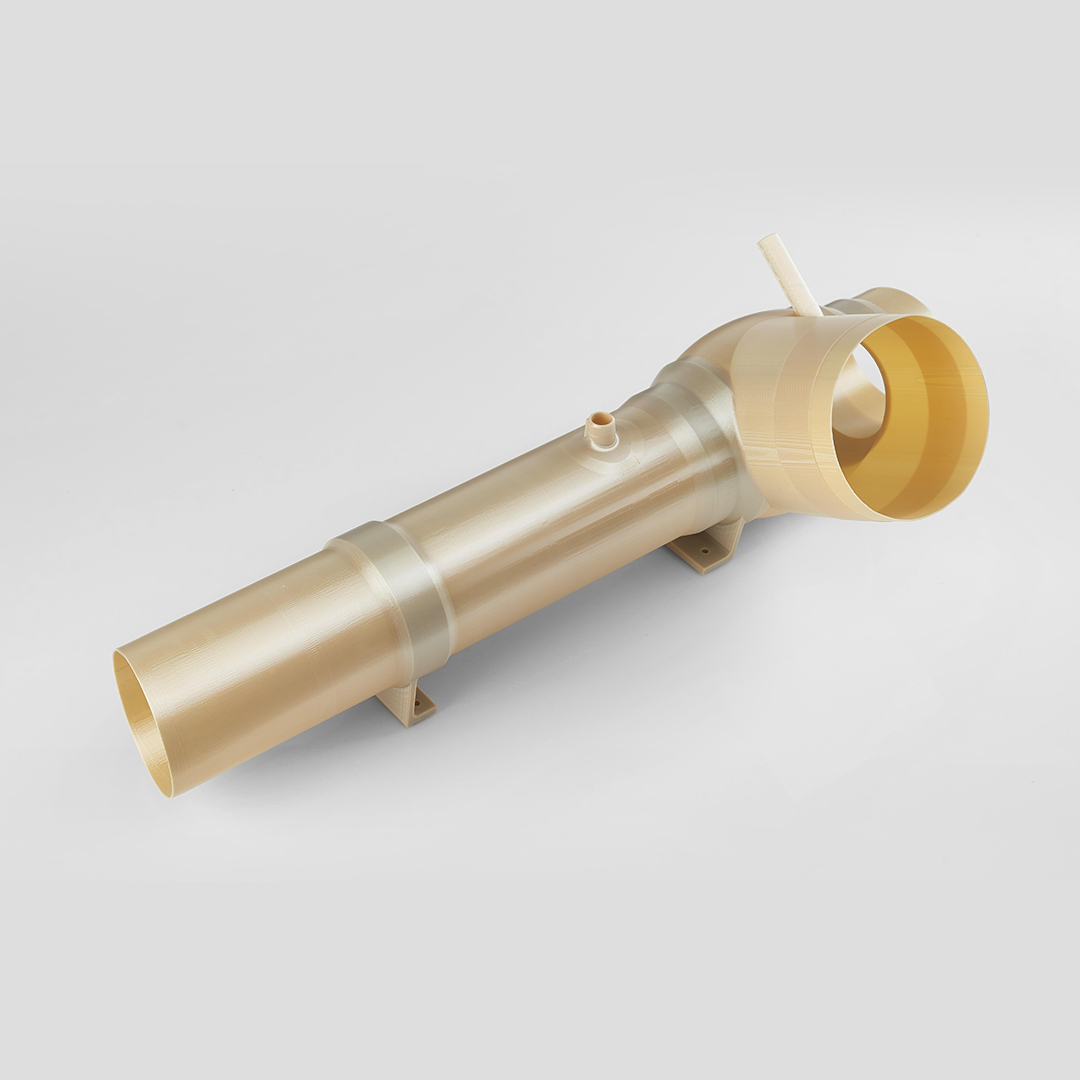
OLA 9085 is een amorfe thermoplastische kunststof met een uitmuntende sterkte-gewichtsverhouding en uitstekende FST (Vlam, Rook, Toxiciteit) classificaties. Vanwege haar bestaande certificeringen en superieure prestaties onder veeleisende omstandigheden, is het ideaal voor lucht- en ruimtevaart-, automobiel- en militaire toepassingen.
ThermischeEigenschappen
HeatDeflectionTemperature:153℃
MechanischeEigenschappen
TensileModulus:2150–2270MPa TensileStrength:42–69MPa ElongationatBreak:2.2–5.8% FlexuralStrength:68–112MPa FlexuralModulus:2050–2300MPa
Veiligheidseigenschappen
FlameRating:V-0
Max. Part Size:
914mm × 610mm × 914mm
Tolerance and Precision:
±200μm of ±0,2%
Voordelen
① Uitstekende mechanische stabiliteit bij verhoogde temperaturen
② Hoog sterkte-gewichtsverhouding
③ Uitmuntende dimensionale stabiliteit en vlamweerstand
④ Gecertificeerd voor lucht- en ruimtevaart- en automobieltoepassingen
Nadelen
① Licht gelaagde textuur op onderdeelsurface door FDM-printen
① Uitstekende mechanische stabiliteit bij verhoogde temperaturen
② Hoog sterkte-gewichtsverhouding
③ Uitmuntende dimensionale stabiliteit en vlamweerstand
④ Gecertificeerd voor lucht- en ruimtevaart- en automobieltoepassingen
Nadelen
① Licht gelaagde textuur op onderdeelsurface door FDM-printen
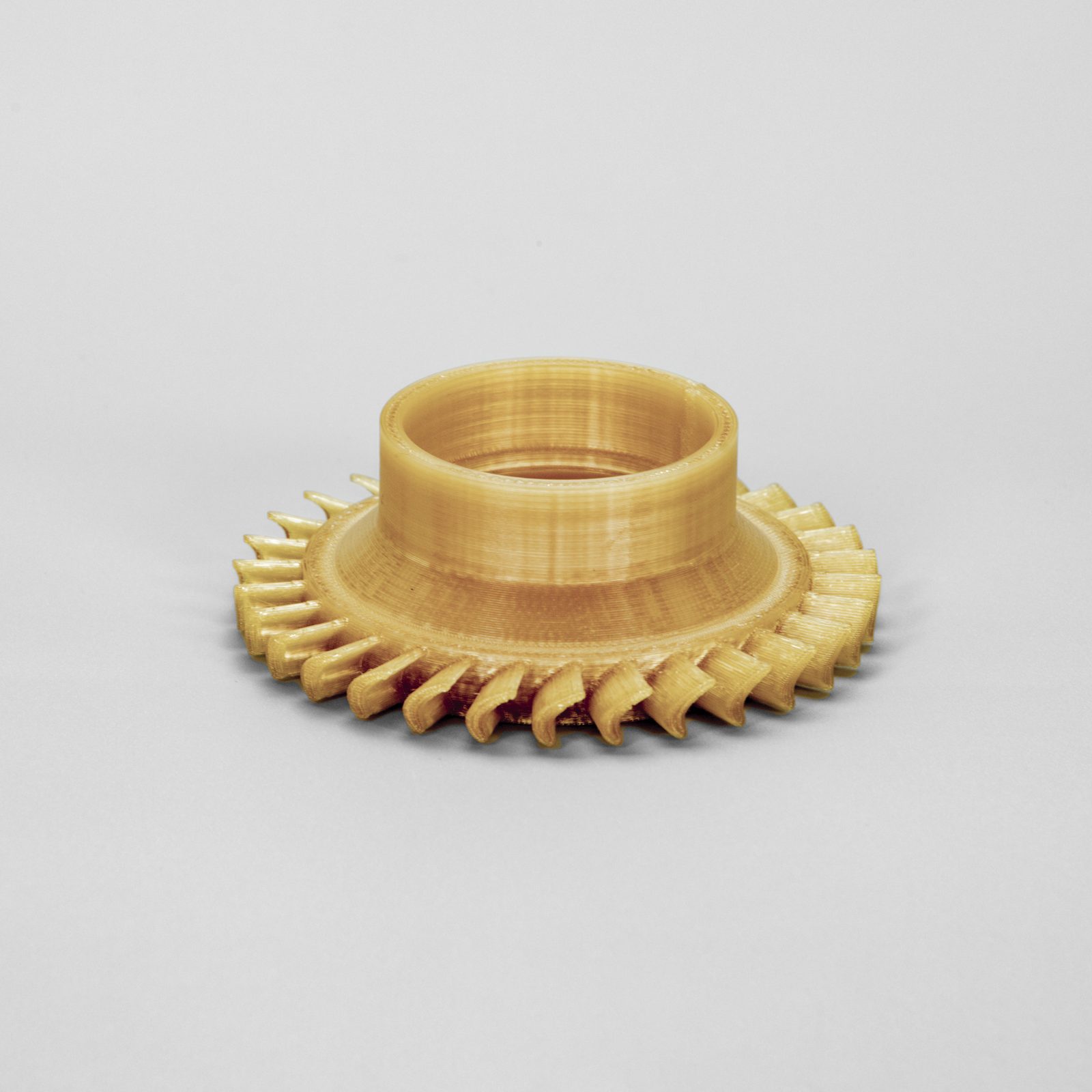
OLA 1010 is een van de weinige thermoplastische harsen die goedgekeurd zijn voor commerciële lucht- en ruimtevaartoepassingen. Het is een amorfe engineeringplastiek bekend om zijn robuustheid, vlamwerendheid en stabiliteit bij extreme temperaturen.
Veiligheidseigenschappen
Vlamclassificatie:V-0
Thermische eigenschappen
Warmtevervormingstemperatuur:216℃
Mechanische eigenschappen
Trekgemiddelde:2200–2770MPa Trekgrens:48–81MPa Rek bij breuk:2–3.3% Buigsterkte:77–144MPa Buigmodulus:2230–2820MPa
Max. Part Size:
914mm × 610mm × 914mm
Tolerance and Precision:
±200μm of ±0,2%
Voordelen
① Uitstekende vlamwerendheid en hoge warmtetolerantie
② Goede chemische bestendigheid
③ Sterk en duurzaam met stabiele elektrische eigenschappen
④ Eenvoudig te verwerken
Nadelen
① Licht oppervlaklijnen kunnen zichtbaar zijn op geprinte onderdelen
① Uitstekende vlamwerendheid en hoge warmtetolerantie
② Goede chemische bestendigheid
③ Sterk en duurzaam met stabiele elektrische eigenschappen
④ Eenvoudig te verwerken
Nadelen
① Licht oppervlaklijnen kunnen zichtbaar zijn op geprinte onderdelen

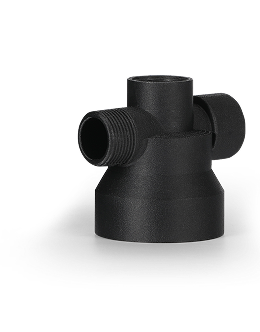
This engineering thermoplastic is specially formulated for outdoor applications, combining ABS-like performance with superior weather resistance.
ThermalProperties
HeatDeflectionTemperature:91-98℃
MechanicalProperties
ShoreHardness:82 TensileStrength:30-33MPa TensileModulus:1950-2010MPa ElongationatBreak:3-9% FlexuralStrength:48-60MPa FlexuralModulus:1630-1870MPa NotchedImpact:64-321J/m
SafetyProperties
FlammabilityRating:HB
Max. Part Size:
1000mm × 610mm × 610mm
Tolerance and Precision:
±200μm or ±0.2%
Advantages
① Exceptional UV stability for outdoor use
② Excellent mechanical and processing properties
③ Outstanding impact resistance and weather ability
④ Versatile matte surface treatment options
⑤ Soluble supports for complex structures
Disadvantages
① Layer lines inherent to FDM process
② Not suitable for precision parts ≤100mm/≤100g
OLA PETG-CF
OLA PETG-CF is a carbon fiber-reinforced PETG 3D printing filament that offers significantly higher strength than standard PETG, while retaining good toughness and a glossy surface finish. It is widely used for printing drones, racing models, and various functional parts requiring enhanced appearance and performance.
ThermalProperties
HeatDeflectionTemperature(ISO75,0.45MPa,1.80MPa):74℃;68℃
MechanicalProperties
Young'sModulus(X-Y,Z)(ISO527,GB/T1040):2460±230MPa;1340±150MPa TensileStrength(X-Y,Z)(ISO527,GB/T1040):35±5MPa;29±4MPa ElongationatBreak(X-Y,Z)(ISO527,GB/T1040):10.4±0.6%;4.7±0.4% FlexuralModulus(X-Y,Z)(ISO178,GB/T9341):2910±260MPa;1560±180MPa FlexuralStrength(X-Y,Z)(ISO178,GB/T9341):70±5MPa;48±4MPa CharpyImpactStrength(X-Y)(ISO179,GB/T1043):41.2±2.6kJ/m²,15.7±1.6kJ/m²(notched) CharpyImpactStrength(Z)(ISO179,GB/T1043):10.7±1.6kJ/m²
Max. Part Size:
320mm × 320mm × 325mm
Tolerance and Precision:
±300μm or ±0.3%
Advantages
① High toughness, impact resistance, and flexural resistance
② Carbon fiber texture with a matte finish
Disadvantages
① Process limitations—please order with caution for:
1- Surfaces with angles <45° (especially curves): rough finish, possible slight deformation
2- Parts with extensive supports: rough bottom support surfaces
3- Support-removed areas may lack smoothness
4- Default infill 15%; different densities affect pricing
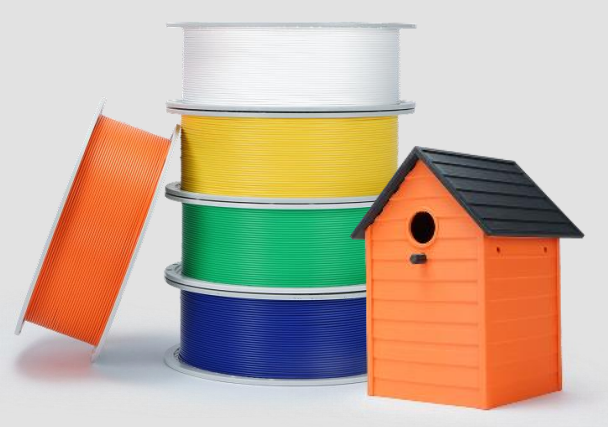
OLA 6310 PETG is a 3D printing filament with fine surface texture and exceptionally smooth printing performance.
ThermalProperties
HeatDeflectionTemperature(ISO75,0.45MPa,1.80MPa):69℃;62℃ MeltingTemperature(DSC,10℃/min):N/A GlassTransitionTemperature(ISO11357):N/A FlameRating:UL94HB
MechanicalProperties
Young'sModulus(X-Y,Z)(ISO527,GB/T1040):1810±190MPa;1540±130MPa TensileStrength(X-Y,Z)(ISO527,GB/T1040):34±4MPa;23±4MPa ElongationatBreak(X-Y,Z)(ISO527,GB/T1040):8.6±1.2%;5.1±0.8% FlexuralModulus(X-Y,Z)(ISO178,GB/T9341):2050±120MPa;1810±140MPa FlexuralStrength(X-Y,Z)(ISO178,GB/T9341):64±3MPa;48±4MPa CharpyImpactStrength(X-Y)(ISO179,GB/T1043):31.5±2.2kJ/m²,6.2±1.8kJ/m²(notched) CharpyImpactStrength(Z)(ISO179,GB/T1043):10.6±1.2kJ/m²
Max. Part Size:
320mm × 320mm × 325mm
Tolerance and Precision:
±300μm or ±0.3%
Advantages
① Fine surface texture and exceptionally smooth printing performance
Disadvantages
① Process limitations—please order with caution for:
1- Surfaces with angles <45° (especially curves): rough finish, possible slight deformation
2- Parts with extensive supports: rough bottom support surfaces
3- Support-removed areas may lack smoothness
4- Default infill 15%; different densities affect pricing
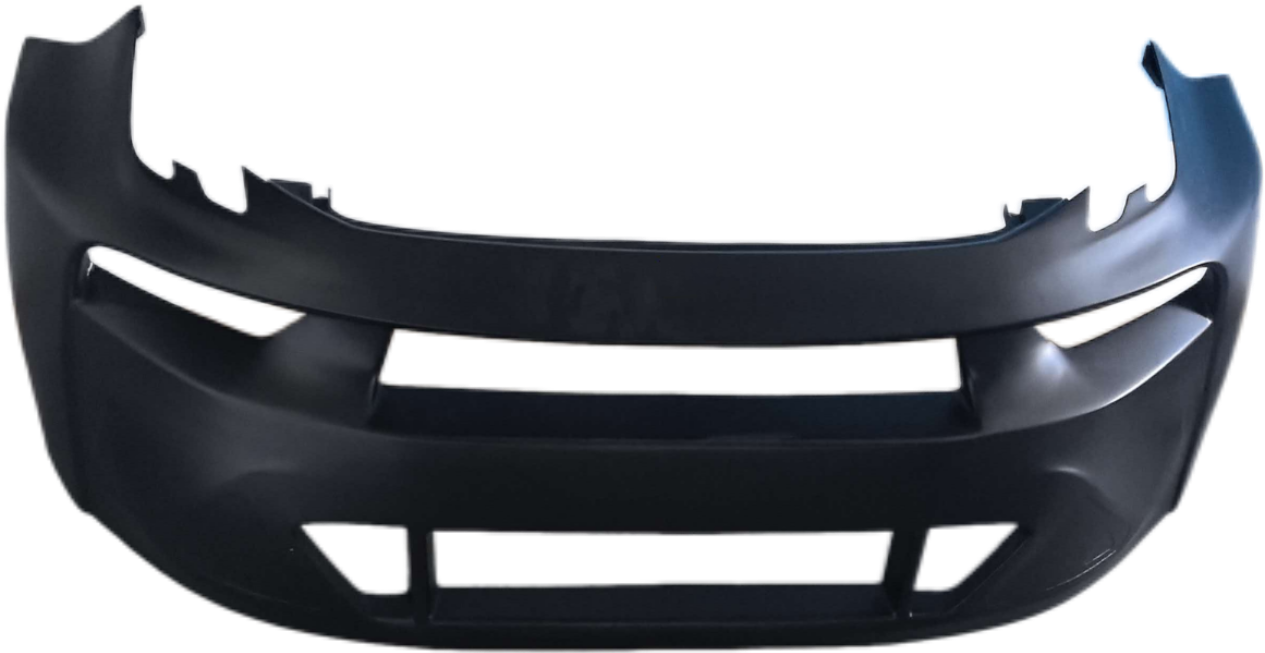
OLA 6320 PET-CF biedt uitstekende dimensionale stabiliteit, hoge stijfheid, lage kruip, lichte vervorming, slijtvastheid, UV-bestendigheid, met lange-termijn kleurstabiliteit en krasbestendigheid.
ThermischeEigenschappen
Warmtevervormingstemperatuur(ISO75,0.45MPa,1.80MPa):147,5℃;105℃ Smelttemperatuur(DSC,10℃/min):241,3℃ Glasetstemperatuur(ISO11357):79,3℃ Vlambaarheidsclassificatie:UL94HB
MechanischeEigenschappen
Young'sModulus(X-Y,Z)(ISO527,GB/T1040):5481,0±223,7MPa;3558,8±260,4MPa Trekgrens(X-Y,Z)(ISO527,GB/T1040):65,9±1,0MPa;27,9±1,3MPa Rekbreuk(X-Y,Z)(ISO527,GB/T1040):2,4±0,5%;0,8±0,1% Buigmodulus(X-Y,Z)(ISO178,GB/T9341):4744,4±136,3MPa;2768,2±422,6MPa Buigsterkte(X-Y,Z)(ISO178,GB/T9341):109,3±2,0MPa;43,4±8,8MPa Kwartschokbestendigheid(X-Y)(ISO179,GB/T1040):25,1±2,8kJ/m² Kwartschokbestendigheid(Z)(ISO179,GB/T1040):3,1±0,7kJ/m²
Max. Part Size:
1200mm × 600mm × 600mm
Tolerance and Precision:
±100μm of ±0,1%
Voordelen
① Uitstekende dimensionale stabiliteit, hoge stijfheid, lage kruip, lichte vervorming
② Slijt- en UV-bestendig, lange-termijn kleurstabiliteit, krasbestendigheid
Nadelen
① (Geen specifiek nadeel opgegeven voor dit materiaal)
① Uitstekende dimensionale stabiliteit, hoge stijfheid, lage kruip, lichte vervorming
② Slijt- en UV-bestendig, lange-termijn kleurstabiliteit, krasbestendigheid
Nadelen
① (Geen specifiek nadeel opgegeven voor dit materiaal)